

You pull a trusted bread recipe from the shelf, check the flour, and start mixing. Only after serving it do you notice the ingredient label on a spread, chocolate chip, or baking powder included milk, soy, wheat, or nuts. For someone with a food allergy, that late discovery isn't a minor recipe error. It can make an otherwise careful bake unsafe.
Allergen free baking works best when you treat it as food-safety control plus food design, not as a list of convenient substitutions. The recipe, ingredients, equipment, storage, cleaning routine, and labels all form one system.
Table of Contents
- Why Allergen Free Baking Matters More Than Ever
- The Major Allergens in Baking and What They Do
- Building a Systems Approach to Substitutions
- Preventing Cross-Contact in Your Home Kitchen
- Understanding Texture and Rise Trade-offs
- Real Failures and How to Fix Them
- Allergen Free Baking at Home Versus Store Bought
- Your Allergen Free Baking Starter Plan
Why Allergen Free Baking Matters More Than Ever
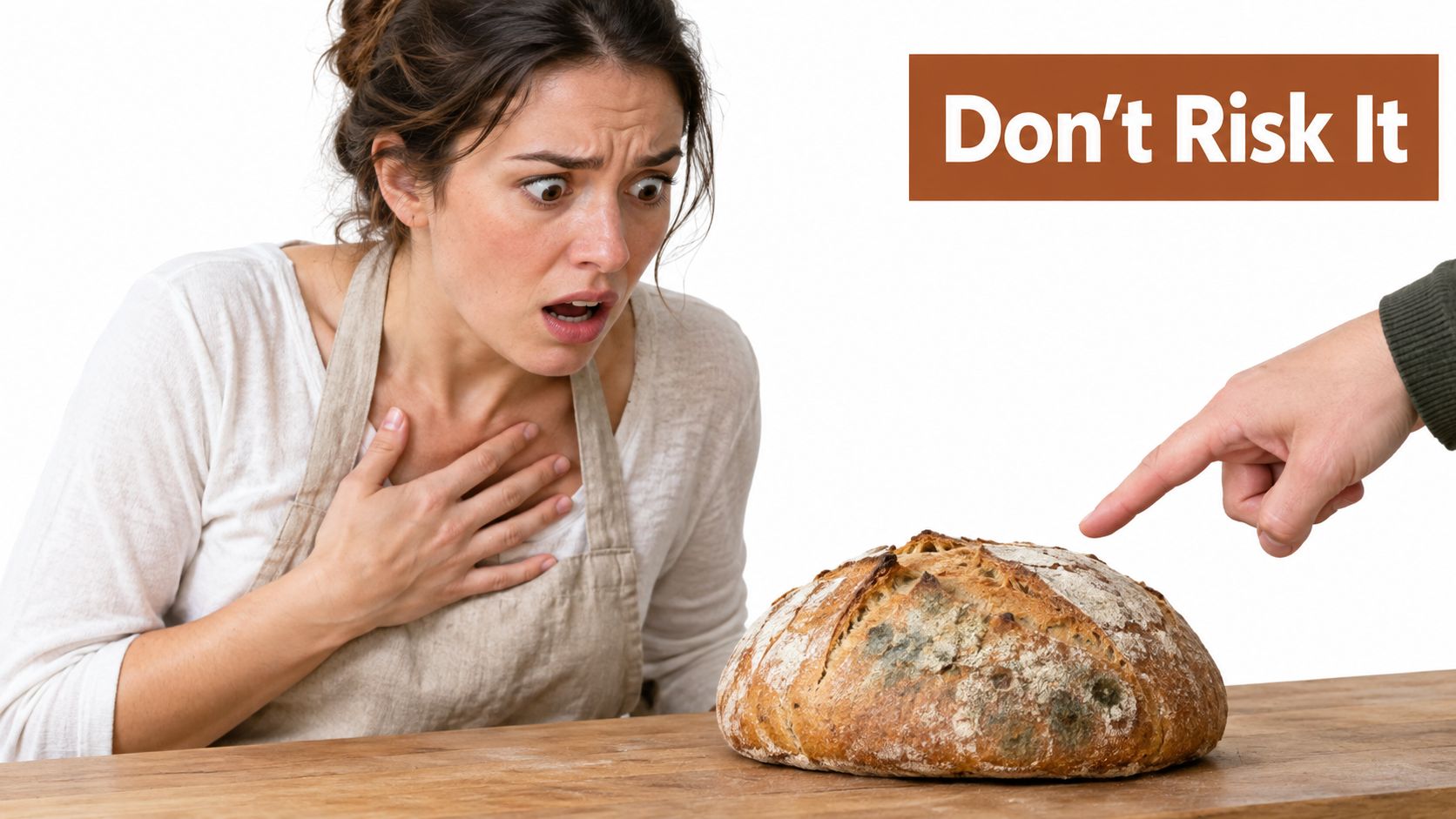
A loaf can look completely normal and still be unsuitable for the person eating it. A shared flour scoop, a wooden spoon used for ordinary bread, or a packaged ingredient with a changed formulation can undermine an otherwise thoughtful recipe. That's why I now start with the question, “What must be controlled?” before asking which flour or egg replacement I'll use.
The need is broad. Approximately 33 million people in the United States have at least one food allergy, including nearly 11% of adults and about 5.6 million children, or nearly 8% of children, according to Food Allergy Research and Education's facts and statistics. The same dataset reports that food allergy prevalence among children rose by 50% between 1997–1999 and 2009–2011, helping explain why allergen-controlled baked goods are now a practical category for home kitchens and commercial bakeries.
Why baked goods create extra risk
Traditional baking often combines several common triggers in one formula. Wheat supplies structure, eggs bind and aerate, dairy contributes richness, soy appears in ingredients such as lecithin or protein products, and nuts may be central to the recipe or present through shared manufacturing.
The practical consequence is simple:
- Read every ingredient label, including products you've used before.
- Separate the recipe from the safety decision. A recipe can be dairy-free without being safe for a dairy allergy if equipment carries residue.
- Keep household protocols visible. Guests and family members may not know that a toaster, flour container, or cutting board is shared.
- Recheck packaging. Manufacturers can change formulations, processing environments, and advisory statements.
A safe bake isn't defined only by what you intentionally add. It's also defined by what accidentally enters the process.
The Major Allergens in Baking and What They Do
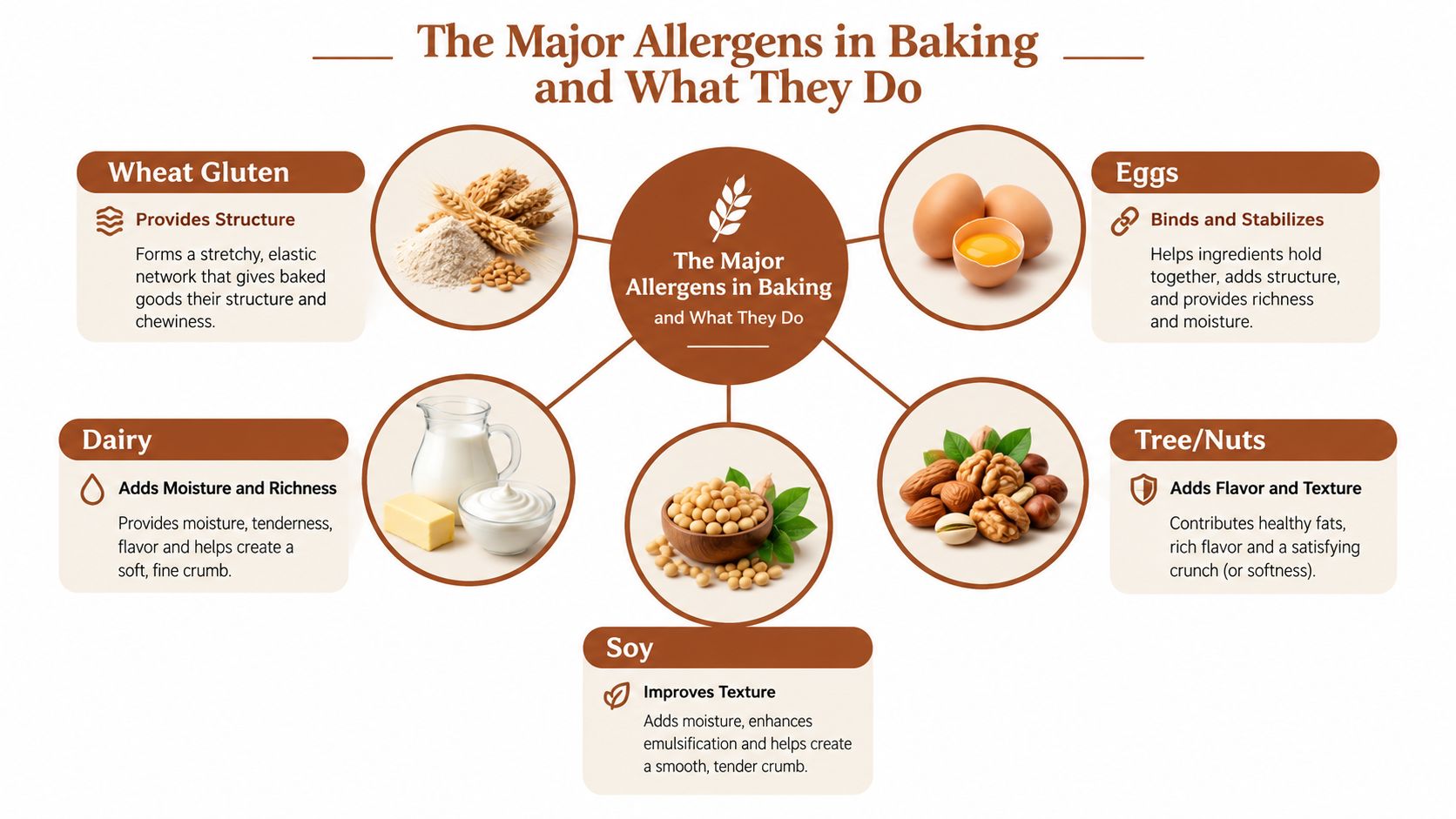
Before replacing an ingredient, identify the job it performs. Allergen free baking fails most often when a baker removes an ingredient's name but forgets its mechanical role.
Wheat gluten creates elasticity and helps dough retain gas. Without that network, yeast dough may spread instead of rising, and a loaf can lose the chew and structure people expect. Eggs contribute aeration, moisture, emulsification, color, and binding. Dairy adds fat, flavor, tenderness, and creamy texture, while soy can function as a protein source or emulsifier. Tree nuts and peanuts may contribute fat, solids, flavor, and bulk, depending on whether they appear as flour, butter, pieces, or a topping.
The history behind the demand
Gluten-free baking moved from a specialty diet toward a mainstream food segment during the 2000s and 2010s. A large U.S. adult survey estimated convincing food allergy prevalence at 10.8%, while 19.0% of adults believed they were food allergic, a difference that signals strong consumer interest in products perceived as safer or easier to digest. The figures and historical context are discussed in this review of food allergy epidemiology.
The same review reports that peanut allergy prevalence among U.S. children increased from 0.4% in 1997 to 0.8% in 2002 and 1.4% in 2008. Those figures don't tell a baker how to formulate a cake, but they help explain why allergen control became a production discipline rather than a niche recipe preference.
For personal medical decisions, don't treat an at-home kit as a diagnosis. A practical comparison of NHS vs at-home allergy tests can help clarify why testing routes differ and why suspected allergies deserve qualified clinical advice.
Building a Systems Approach to Substitutions
One-for-one substitutions sound efficient, but allergens rarely perform only one job. Replacing an egg with a single spoonful of applesauce may add moisture while removing aeration and binding. Replacing wheat flour with a starch may remove gluten without supplying the protein network needed for shape.
A better approach rebuilds the lost functions in layers. Expert formulation guidance describes allergen-free baking as a network problem involving starches, gums, proteins, and emulsifiers, rather than a simple swap. The trade-off is that every added component changes hydration, mixing tolerance, and shelf life.
A practical framework
| Allergen | Primary function | Common replacements | Key considerations |
|---|---|---|---|
| Wheat gluten | Elasticity and gas retention | Starch blends, hydrocolloids, alternative proteins | Structure must be rebuilt, not merely replaced with one flour |
| Eggs | Aeration, moisture, binding, emulsification | Aquafaba, plant proteins, hydrocolloids, fruit purées | Match the replacement to the role the egg plays |
| Dairy | Fat, flavor, tenderness, creamy texture | Plant fats, oils, dairy-free milks, emulsifiers | Liquid and fat levels may need separate adjustment |
| Soy | Protein and emulsification | Pea protein, other permitted proteins, seed-based systems | Check every replacement for its own allergen and label status |
| Nuts | Fat, solids, flavor, and bulk | Seeds, seed butters, tailored flour blends | Shared processing and advisory labeling require attention |
Build the formula in stages
Start with the flour or starch base, then decide how the batter or dough will hold gas. Add a protein or hydrocolloid system for binding, and only then tune liquid and fat. This order makes troubleshooting easier because you can identify whether the failure came from structure, hydration, or emulsification.
Hydrocolloids illustrate why dosage matters. A review of egg-free cake systems reports that hydroxypropylmethylcellulose at about 0.2% in an aquafaba-based cake improved volume to a level comparable with egg-white cake and helped prevent collapsed centers. The same review of hydrocolloids and egg replacers notes that guar gum, locust bean gum, and xanthan gum can lower specific volume in some systems when water binding becomes too strong.
For a separate discussion of starch-based dough construction, see gluten-free bread baking. The central lesson applies broadly: choose the replacement for the function you lost, then test the whole system.
Preventing Cross-Contact in Your Home Kitchen
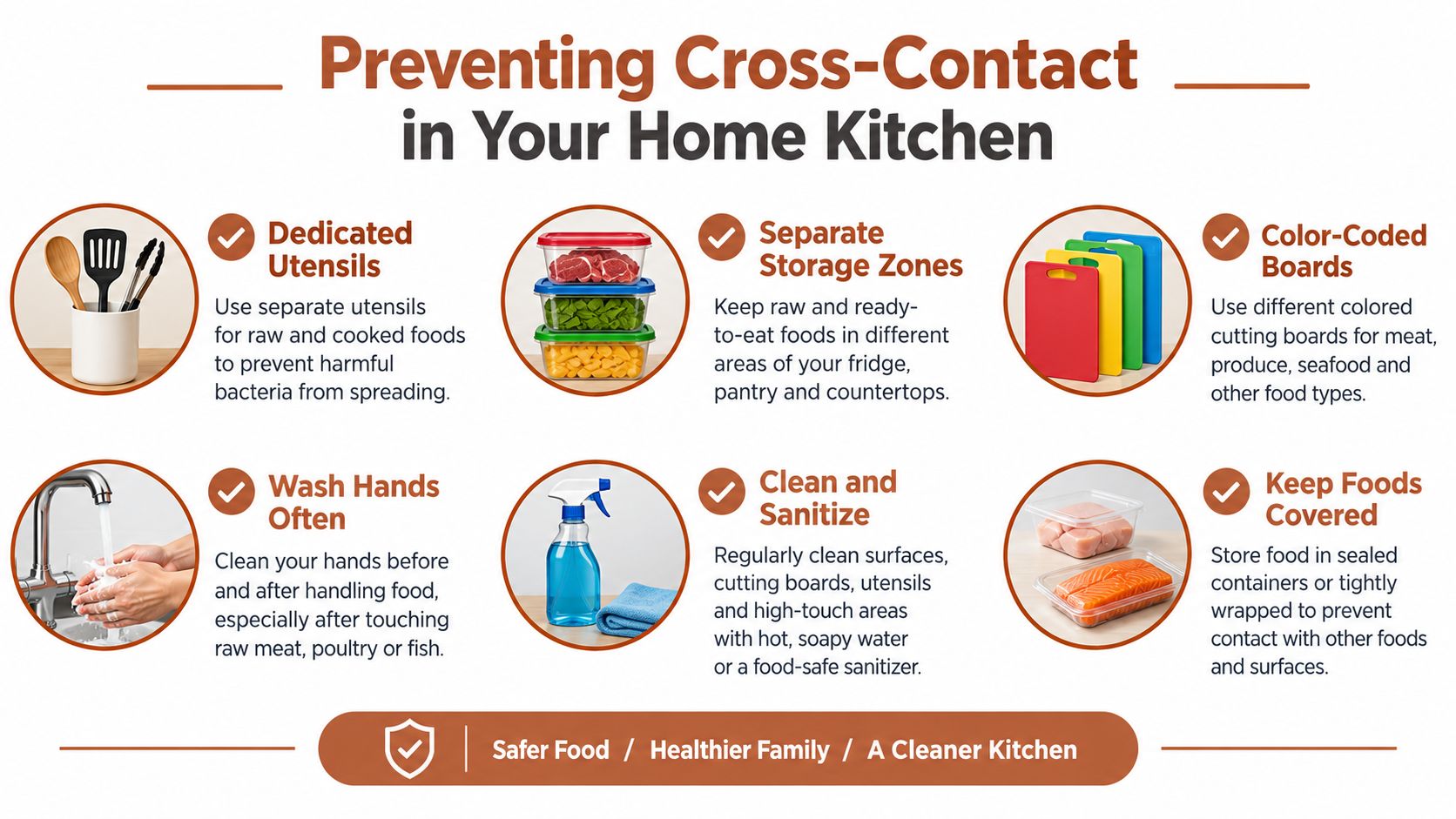
A recipe can be free from an allergen on paper and still become unsafe in the kitchen. Cross-contact happens when a safe ingredient, surface, tool, or finished product touches an allergen residue. Baking creates plenty of opportunities because flour dust travels, crumbs hide in appliances, and porous tools absorb fats and powders.
Set up physical separation
Use dedicated utensils for allergen-controlled baking where possible. Silicone spatulas, metal bowls, stainless-steel measuring cups, and washable baking sheets are easier to clean thoroughly than scratched plastic or porous wood. A shared toaster deserves particular caution because crumbs remain inside places you can't inspect easily.
Store controlled ingredients in a clearly marked area. Keep flour blends, starches, gums, and decorating ingredients sealed, and don't return a scoop to a container after it has touched another ingredient. Color-coded boards or tool handles can make the system understandable to everyone who cooks in the home.
Clean in the right order
Remove visible crumbs and flour first. Wash surfaces with detergent and water, rinse where appropriate, and use clean towels rather than a cloth that has already wiped ordinary bread dough. Wash hands before opening controlled ingredients, especially after handling allergen-containing foods.
Practical rule: If you can't explain which surface, tool, and storage container touched the allergen, you can't confidently verify the batch.
Labels need repeated attention. A product that was suitable last month may now have a different ingredient list or advisory statement. For a household managing a diagnosed allergy, follow the person's established medical and labeling protocol rather than assuming that “allergen-friendly” marketing is enough.
Understanding Texture and Rise Trade-offs
Allergen free baking doesn't always fail because the recipe is wrong. It may fail because the replacement behaves differently during mixing, heating, cooling, or storage.
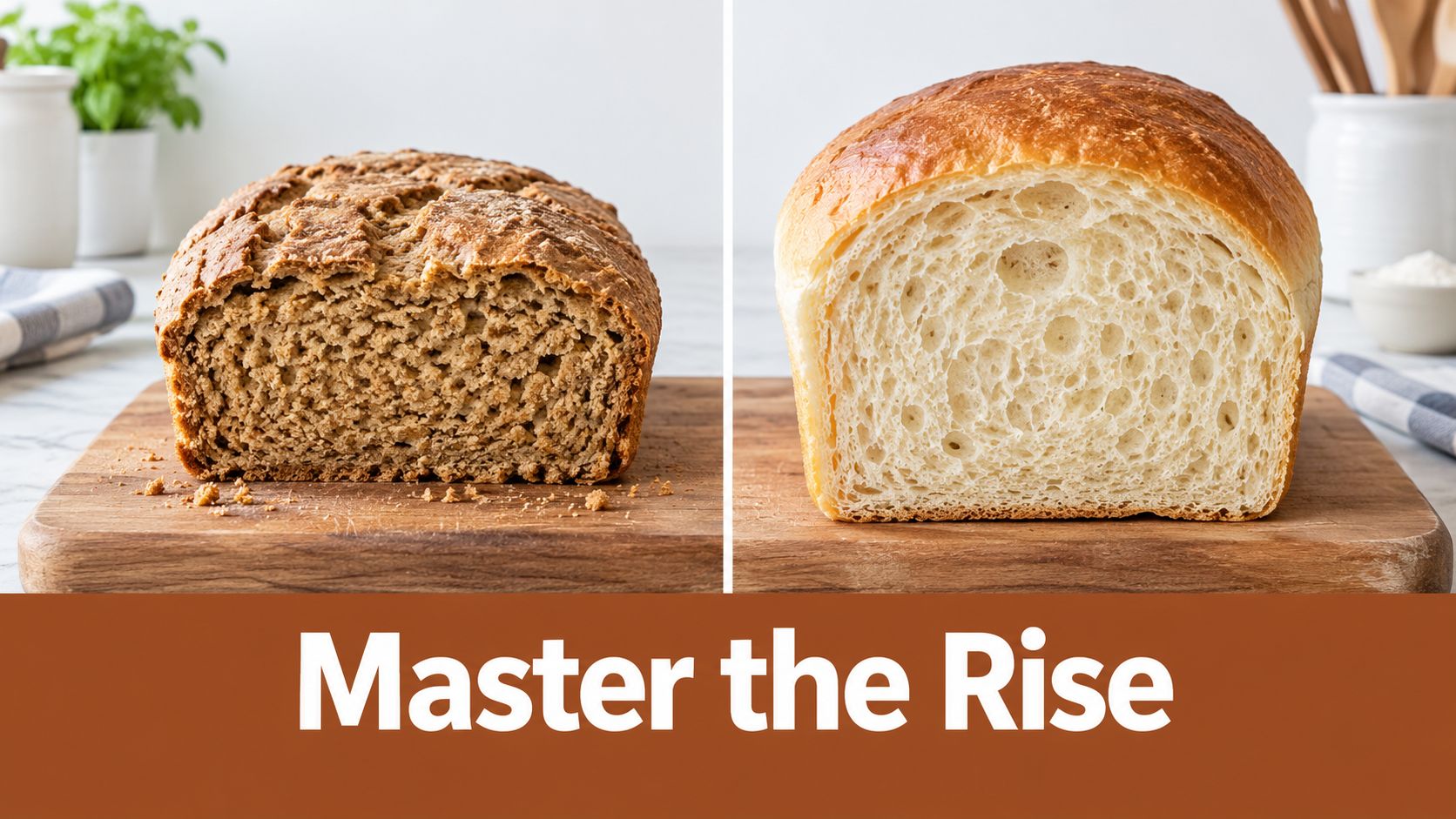
A batter without eggs may trap less air. A dough without gluten may stretch less and release gas earlier. A formula with too much gum may hold water so aggressively that the developing network can't expand properly. The finished result can be compact, gummy, crumbly, or surprisingly good, depending on how those functions interact.
Match the process to the formula
Pea-based egg replacers can work more effectively in complex bakery formulas than older single-ingredient substitutes because they can contribute protein and structure alongside binding. That doesn't mean every pea system will produce the same crumb. Hydration, mixing, pan shape, and heat still determine how well the batter expands and sets.
The practical adjustment is to observe the dough before baking. A batter that looks loose may need more support, while a dough that feels stiff and tacky may need hydration or gentler mixing. Don't automatically add more gum when a loaf is dense. The problem could be weak aeration, insufficient protein, excess water binding, or a process that allowed the structure to collapse.
Process control matters just as much for yeast dough. Proofing references place professional conditions around 30 to 35°C and 70 to 85% relative humidity, while final proofing guidance can move to about 35 to 37°C and 85 to 95% relative humidity to prevent skinning and support expansion, according to this published analysis of bread proofing conditions.
For a closer look at controlled expansion in conventional dough, see oven spring in bread.
The goal isn't to make every allergen-free bake identical to a conventional one. It's to understand which difference is expected and which one signals a preventable formulation or process error.
Real Failures and How to Fix Them
A dense loaf is usually a structure problem, but “structure” has several possible causes. The flour blend may lack a network, the batter may have lost aeration, or the dough may have been over-hydrated and unable to hold its shape. Compare the baked crumb with the mixing stage and proofing behavior instead of changing five ingredients at once.
Common failure patterns
- Dense bread: Check whether the formula has enough structure-building protein or hydrocolloid support. If the dough barely expanded, review fermentation and proofing before adding more leavener.
- Collapsed cake: Reduce excess water binding, test the hydrocolloid level, and avoid opening the oven early. A center that rises and then sinks often indicates a network that didn't set strongly enough.
- Gummy crumb: Extend baking only if the exterior isn't already over-browning. Gummy texture can also come from excess liquid, inadequate starch gelatinization, or slicing before the loaf has cooled.
- Flat cookies: Look for missing fat structure, weak binding, or a flour blend that spreads too quickly. Chilling may help some formulas, but it won't repair an unbalanced binder system.
Record the batch: Write down the ingredient brand, label version, dough temperature, mixing time, proofing condition, and cooling time. Troubleshooting becomes much faster when memory isn't doing the measuring.
Safety failures require a different response from texture failures. A 2026 recall of gluten-free flour and baking mixes for undeclared wheat gluten, reported in market coverage, shows that a product marketed as allergen-free can still fail through labeling or segregation. That doesn't mean every commercial product is unsafe. It does mean you should keep checking labels and follow the risk protocol appropriate to the allergy.
If a batch may have experienced cross-contact, don't “bake it out” or rely on appearance. Set it aside, identify the possible source, clean the equipment, and reassess the ingredients before making another batch.
Allergen Free Baking at Home Versus Store Bought
Commercial allergen-free products offer speed and consistent packaging, but they can be expensive and may use a long list of stabilizers to recreate softness, rise, or shelf life. Home baking gives you direct control over each ingredient and lets you tailor the formula to one household's requirements. It also puts the responsibility for segregation, cleaning, and label verification entirely on you.
The safety comparison isn't as simple as homemade versus commercial. A commercial bakery may have validated procedures and dedicated equipment, while a shared home kitchen may have a toaster or flour container that creates hidden exposure. Conversely, a home baker can choose a newly checked ingredient and make a controlled batch without relying on a manufacturer's changing formulation.
Choose based on the situation
Home baking makes sense when:
- you can dedicate or thoroughly clean tools and surfaces;
- you need control over several ingredient categories;
- you're willing to document brands and batch conditions;
- you want to adjust texture, sweetness, or portion size.
Store bought products may be more practical when:
- your kitchen can't be separated reliably;
- you need a fast, sealed option for travel or school;
- the manufacturer's labeling and allergen controls fit your household protocol;
- you're still learning which ingredients cause problems.
For a convenient plant-based option, you can compare the ingredient and handling details of this vegan banana bread mix. Treat any packaged mix as an ingredient to verify, not as automatic proof of safety.
Your Allergen Free Baking Starter Plan
Start with one controlled bake, not an entire pantry conversion. Decide which allergen category you need to remove, then write it at the top of the recipe and inspect every ingredient against that requirement. If the recipe removes several categories at once, expect more testing because each missing ingredient may have served a different function.
A workable first setup
- Choose a simple product. A loaf, muffin, or cookie with a short ingredient list is easier to troubleshoot than a decorated multi-component dessert.
- Create a controlled ingredient zone. Seal the flour, starches, binders, fats, and decorations in clearly labeled containers. Keep scoops with their own containers.
- Replace functions, not names. Identify structure, binding, aeration, moisture, fat, and emulsification before choosing alternatives.
- Use washable equipment. Favor stainless steel, glass, and intact silicone. Be cautious with shared toasters, scratched plastic, and porous wooden tools.
- Document the process. Record product labels, substitutions, mixing changes, proofing conditions, bake time, and the cooled texture.
- Evaluate safety separately from quality. A loaf can be soft and attractive yet unsuitable if cross-contact wasn't controlled.
A scale helps more than another gadget. Precise weights make small changes to starch, gum, liquid, and protein easier to interpret, especially in formulas where a little excess water changes the crumb. A high-precision kitchen scale is useful for repeatable allergen-controlled baking because it reduces guesswork at the point where formulas are most sensitive.
Keep the wider routine manageable
Plan what will happen after baking. Label the finished loaf, store it separately, and tell everyone in the household which utensils and surfaces remain controlled. For meal planning around dietary needs, you can also browse gluten-free meal designs, then verify each ingredient and preparation step against your own allergen protocol.
Clean-label formulation is moving toward more traceable raw materials and supply-chain verification. That shift matters because safe baking depends on the status of ingredients before they reach your bowl, not only on the substitutions you make at home.
DBakerAid™ offers controlled fermentation and dough proofing through a dedicated bread-making system, which can help make specialty dough processes more repeatable when used with a verified recipe and your kitchen's safety protocol. Visit DBakerAid™ to review the system and decide whether its temperature-controlled workflow fits your allergen free baking routine.