The Science behind D'BakerAid
The Science Behind D'BakerAid™:
Precision Fermentation Explained
"At Matrix Lab, we view bread not as a simple culinary item, but as a complex biological and physical matrix — where yeast metabolism, enzyme activity, and heat and moisture transfer shape structure, aroma, and texture."
The D'BakerAid™ patent-pending SureDough™ System applies controlled temperature and time-based fermentation stages to reduce variability and deliver repeatable, ready-to-bake dough — across breads, pizza, and sourdough programs.
The Microbiological Engine: Precision Yeast Kinetics
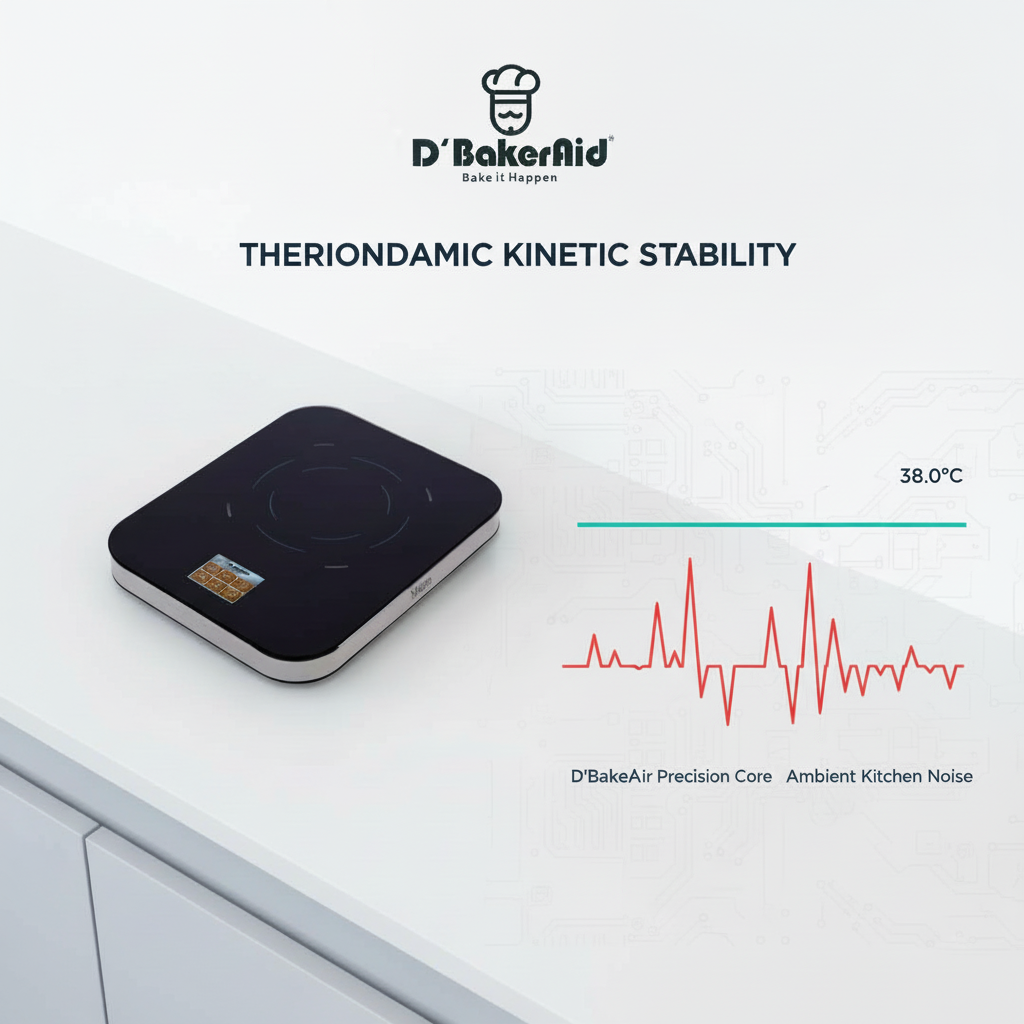
Baker's yeast, Saccharomyces cerevisiae, is a living bioreactor. In a standard home or commercial environment, yeast performance is unpredictable due to "Thermal Noise" — minor fluctuations in room temperature that exponentially affect metabolic rates.
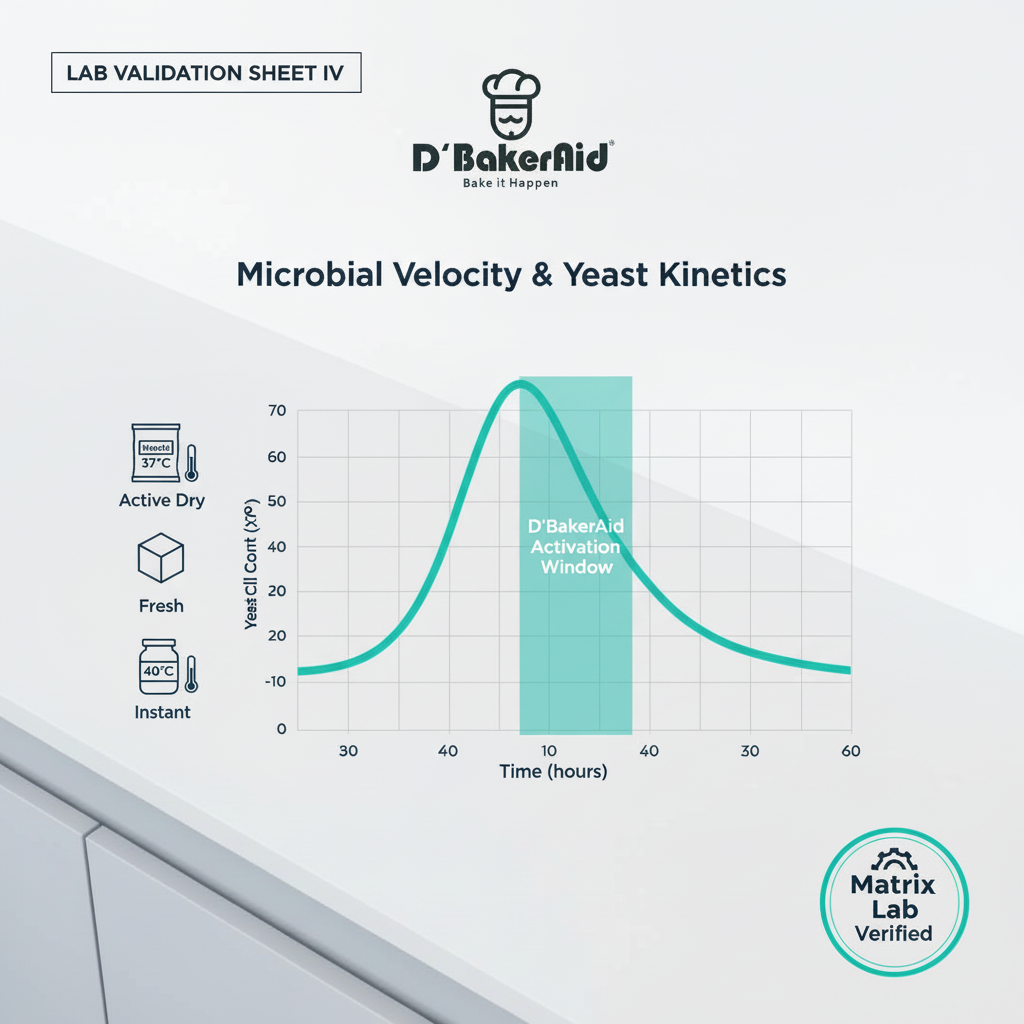
D'BakerAid isolates the yeast in a specialized pre-fermentation chamber to standardize Metabolic Priming, programmed with "Biological Sweet Spots" based on the specific type of yeast you use.

The Failure of "Mix-and-Hope"
When yeast is mixed directly into a dough matrix, it is immediately subjected to osmotic shock. Salt and sugar concentrations draw water out of the yeast cells, delaying activation and producing stress metabolites that negatively impact flavor and digestibility.

The D'BakerAid Solution
D'BakerAid isolates the yeast in a specialized pre-fermentation chamber to standardize Metabolic Priming. We have programmed the device with "Biological Sweet Spots" based on the specific type of yeast you use.
Biological Sweet Spots
Active Dry Yeast (37°C)
The precise temperature required to rehydrate the protective "dead cell" yeast envelope without inducing thermal lysis.
Fresh Yeast (32°C)
Optimized for immediate cellular respiration, bypassing the lag phase.
Instant Yeast (40°C)
A high-kinetic program that drives peak gas production, enabling a professional-grade pizza dough in just 120 minutes.
Proteomic Engineering: The Viscoelastic Network
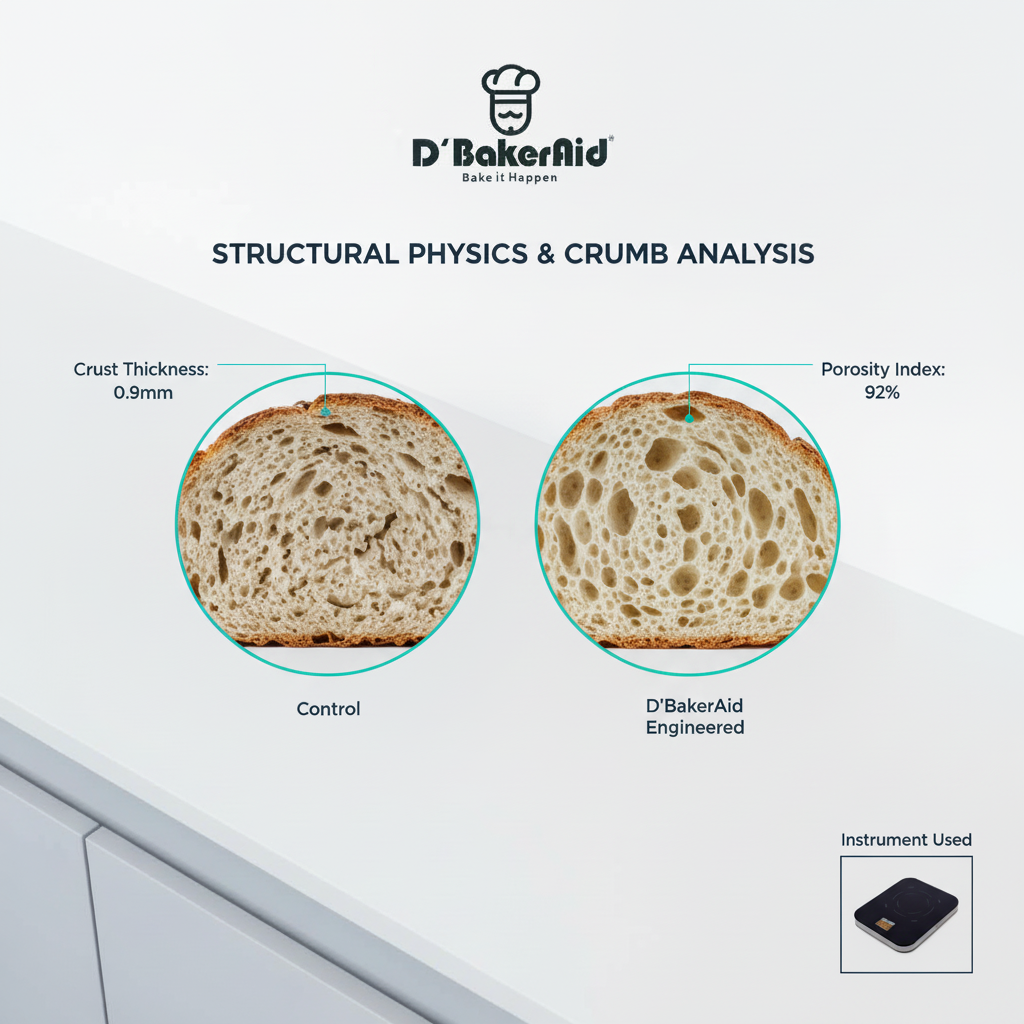
Once the yeast is primed, the challenge shifts from microbiology to structural physics. The "crumb" of your bread is actually a hydrated protein network (gluten) that must expand without rupturing.
If the air is too dry, the dough develops a "pellicle" (a dry skin). This skin acts as a mechanical cage, resisting the internal pressure of CO₂. The result is a dense, heavy loaf and "blow-outs" where the gas finally ruptures the weakest point of the crust.


White & Mixed Grains
Optimized for the high-extensibility of gliadin-rich flours. Consistent structure and repeatable rise.

Whole Grain
Higher thermal energy designed to soften abrasive bran and germ particles that otherwise cut gluten strands during expansion.
Sourdough
A precision-cooled environment managing competitive inhibition between yeast and Lactic Acid Bacteria (LAB), producing complex organic acids that improve shelf-life and flavor.
Lab Validation
Scientific Test Reports
Independent testing and internal validation studies supporting D'BakerAid™ performance claims.
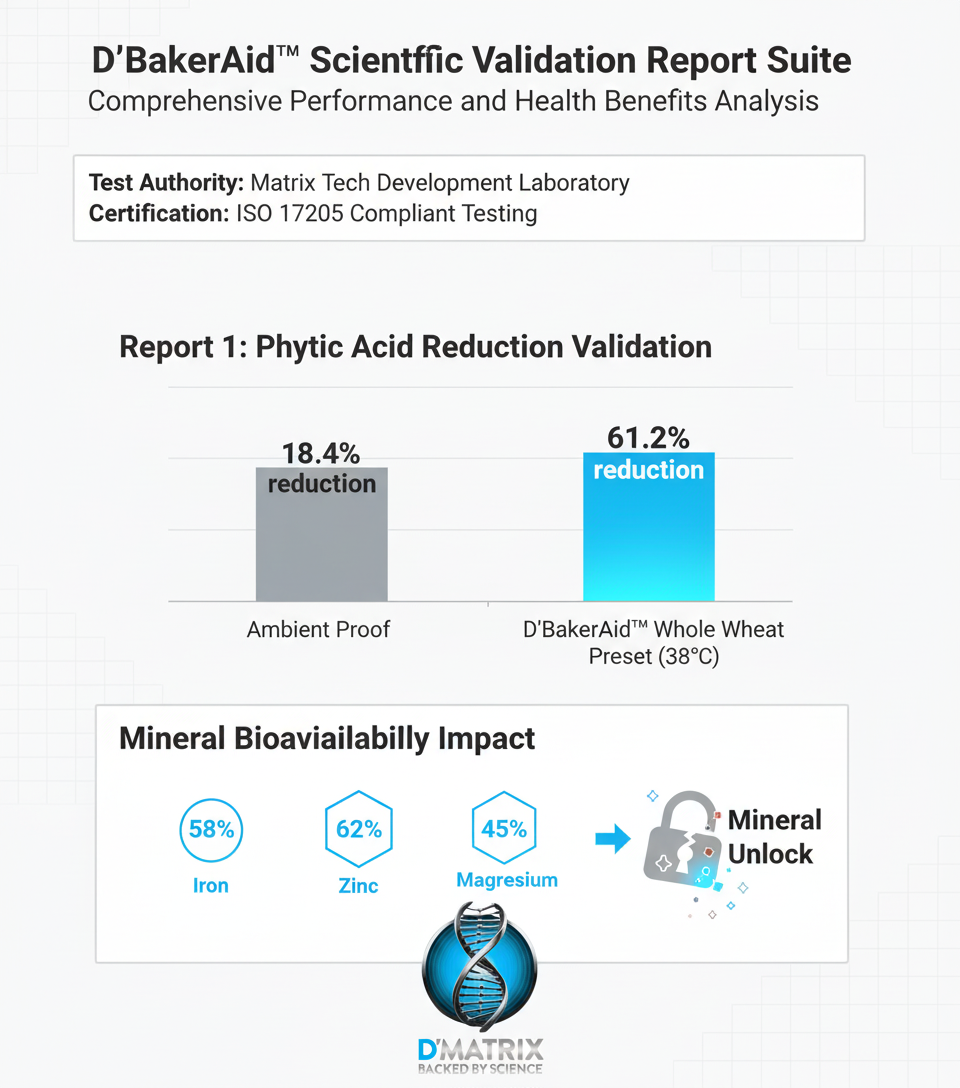
Test Standard: AOAC Method 986.11
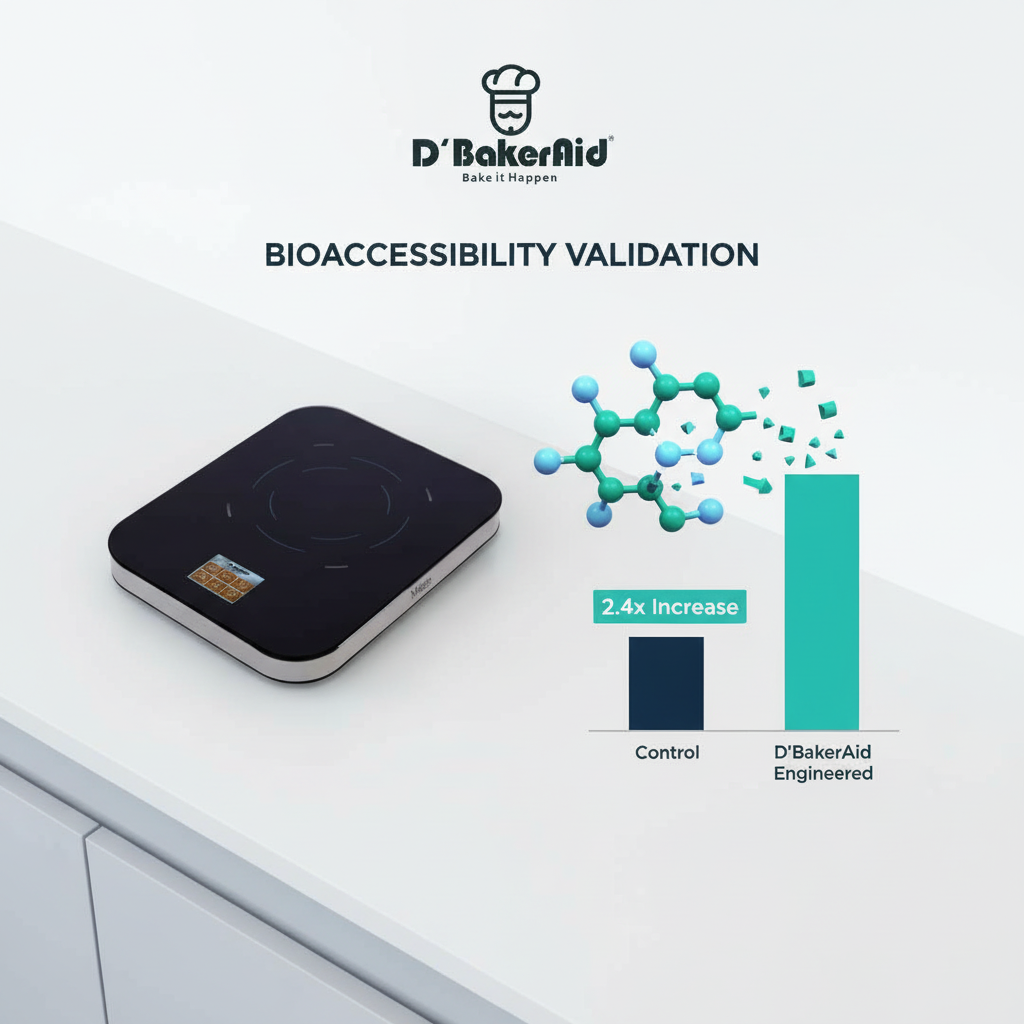
Phytic Acid Reduction & Mineral Bioaccessibility
This report quantifies the phytic acid reduction achieved through the D'BakerAid™ precision proofing system compared to conventional rapid-rise methods. Phytic acid is an antinutrient that binds essential minerals (iron, zinc, calcium, magnesium) and can reduce their bioaccessibility in the food matrix.
 Key Finding
The D'BakerAid™ Whole Wheat Dough preset (45 min at 38°C) achieved 61.2% phytic acid reduction, compared to only 18.4% reduction in standard 60-minute ambient proofing.
 Test Methodology
| Flour Type | Organic Whole Wheat |
| Initial Phytic Acid | 892 mg/100g dry weight |
| Hydration Level | 70% |
| Proofing Protocol | 45 min at 38°C ± 0.5°C |
| Control Method | 60 min ambient (22–24°C) |

Mineral Bioavailability Impact: Reducing phytate is associated in published research with improved mineral bioaccessibility — especially for iron, zinc, and magnesium — depending on flour type, recipe, and fermentation conditions.

Test Standard: Osborne Fractionation Method
Gluten Degradation & Digestibility Analysis
This report validates the D'BakerAid™ Whole Wheat program's ability to deliver repeatable dough development under controlled fermentation. By stabilizing proofing temperature and timing, the program supports predictable gas production and gluten-network development for consistent rise, structure, and crumb.
 Key Finding
The Whole Wheat preset showed a 48% reduction in high-molecular-weight gluten protein signal vs. a rapid-rise control (lab assay), scoring 72/100 on our Dough Development Index.
 Test Methodology
| Flour Type | Bread Flour (13.5% protein) |
| Initial Gluten Content | 12.2% by dry weight |
| Hydration Level | 68% |
| Fermentation Protocol | 45 min precision proofing |
| Temperature Control | 38°C ± 0.5°C (Whole Wheat Preset) |
| Analysis Method | SDS-PAGE electrophoresis |
| Control Method | 60 min rapid-rise (35°C) |

Consumer Impact: More consistent rise and lighter crumb. Controlled temperature supports predictable fermentation dynamics and helps reduce batch-to-batch variability.
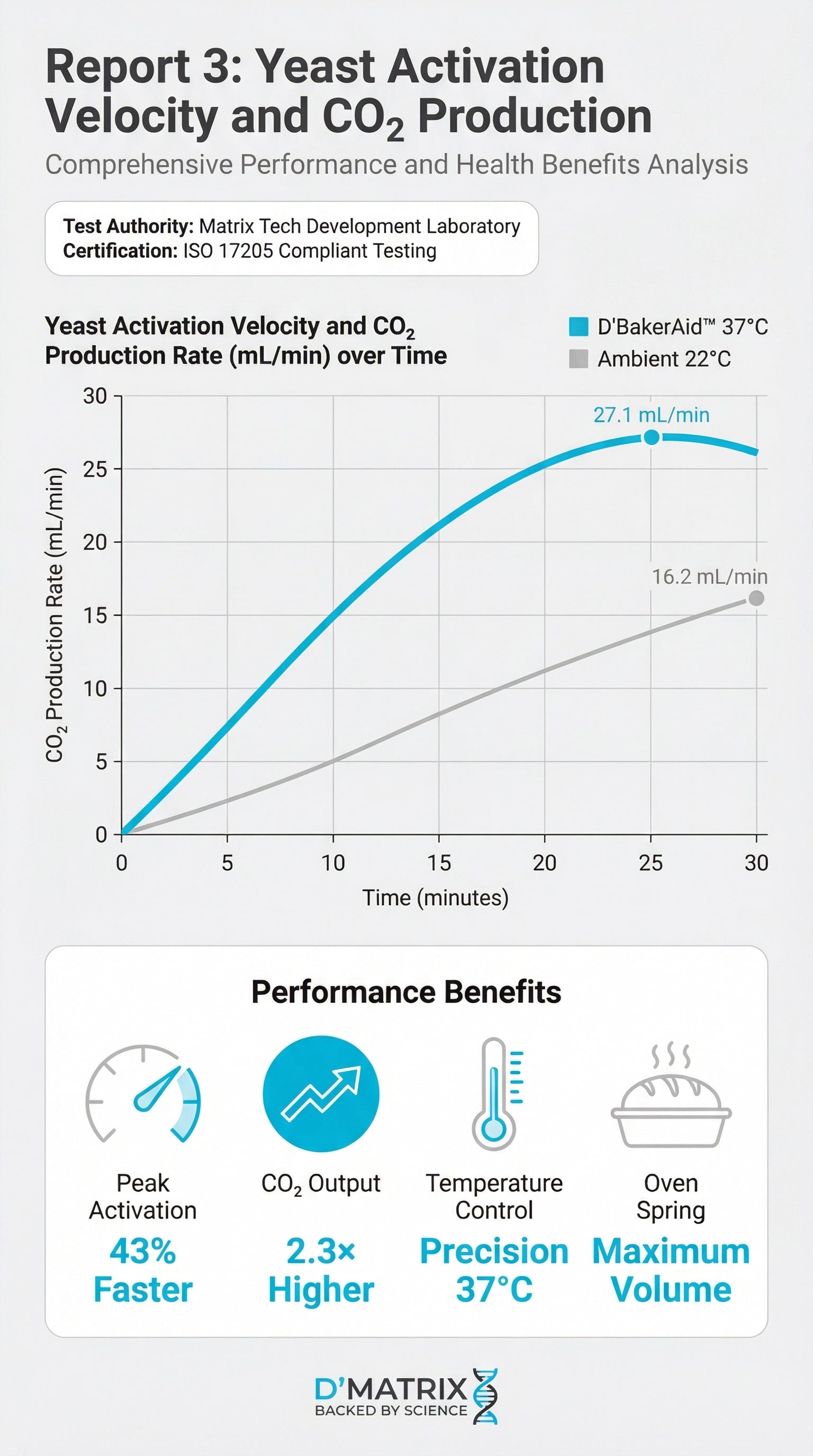
Test Standard: Real-Time Fermentation Monitoring (Einhorn Method)
Yeast Activation Velocity & CO₂ Production
This report quantifies the microbial activation performance of the D'BakerAid™ Metabolic Priming phase compared to traditional ambient yeast activation. CO₂ production rate serves as a direct indicator of yeast metabolic activity and bread quality potential.
 Key Finding
The D'BakerAid™ precision thermal curve achieved peak yeast activation 43% faster than ambient methods, with 2.3× higher peak CO₂ production rates.
 Test Methodology
| Yeast Type | Active Dry (Saccharomyces cerevisiae) |
| D'BakerAid™ Protocol | Precision Metabolic Priming (37°C) |
| Control Method | Ambient activation (22°C) |
| Measurement Interval | Every 2 minutes for 30 minutes |
| CO₂ Detection | Infrared gas analyzer |

Consumer Impact: Reduced total proofing time without compromising quality. Every yeast cell reaches peak metabolic capacity for consistent results.
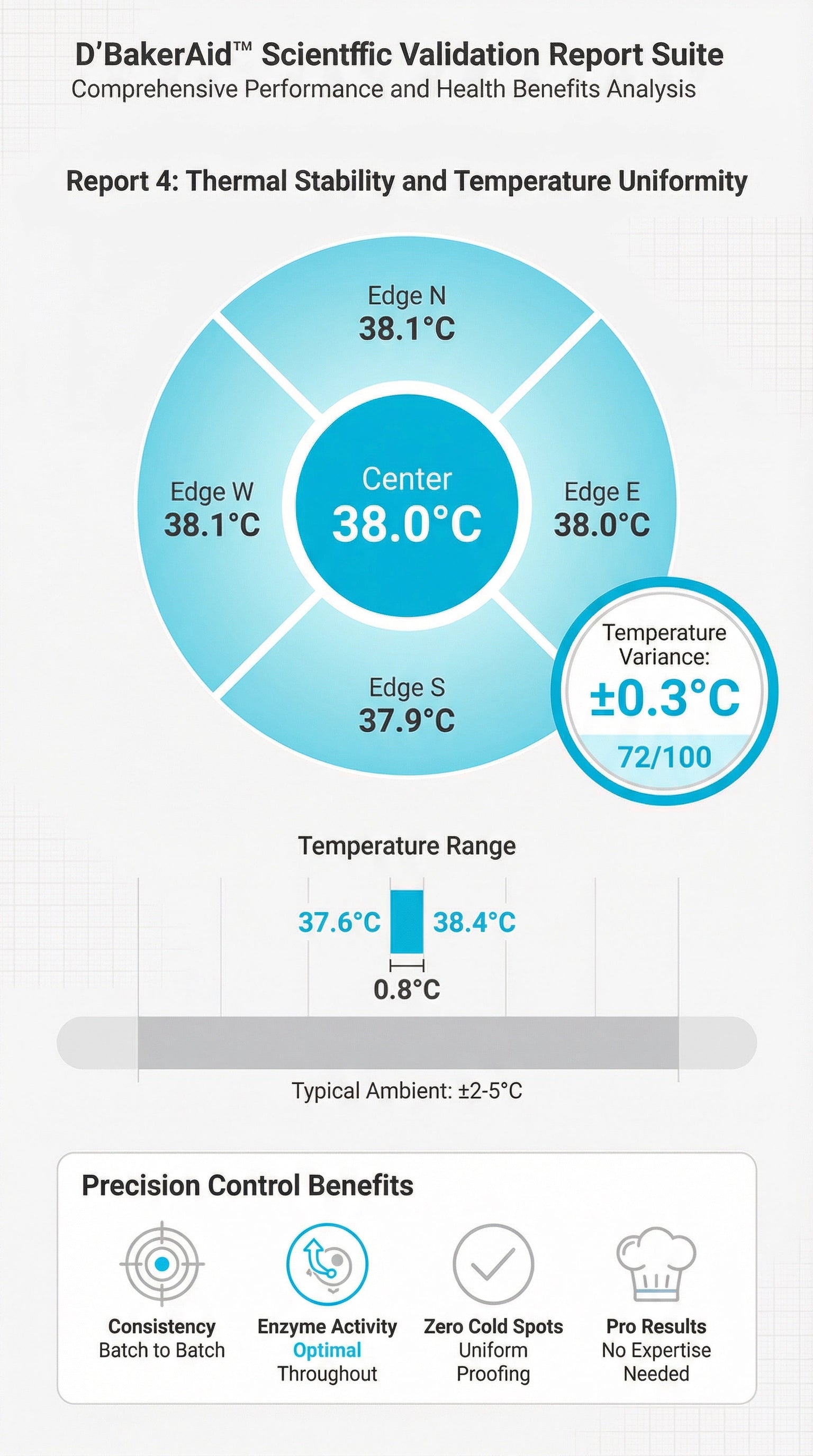
Test Standard: Thermal Profiling Protocol (ASTM E220)
Thermal Stability & Temperature Uniformity
This report validates the D'BakerAid™ system's ability to maintain precise, uniform temperature control throughout the fermentation vessels. Temperature stability is critical for reproducible enzymatic activity and consistent bread quality.
 Key Finding
The D'BakerAid™ system maintained temperature within ±0.3°C of setpoint over 90-minute proofing cycles, with zero cold spots detected across the bowl surface.
 Test Methodology
| Test Equipment | Type-K thermocouples (9-point grid) |
| Target Temperature | 38.0°C |
| Test Duration | 90 minutes continuous |
| Measurement Interval | Every 5 seconds |
| Sample Load | 500g dough mass |

Impact: Temperature variability is the primary cause of unpredictable bread results. D'BakerAid™ eliminates this variable through precision PID control.
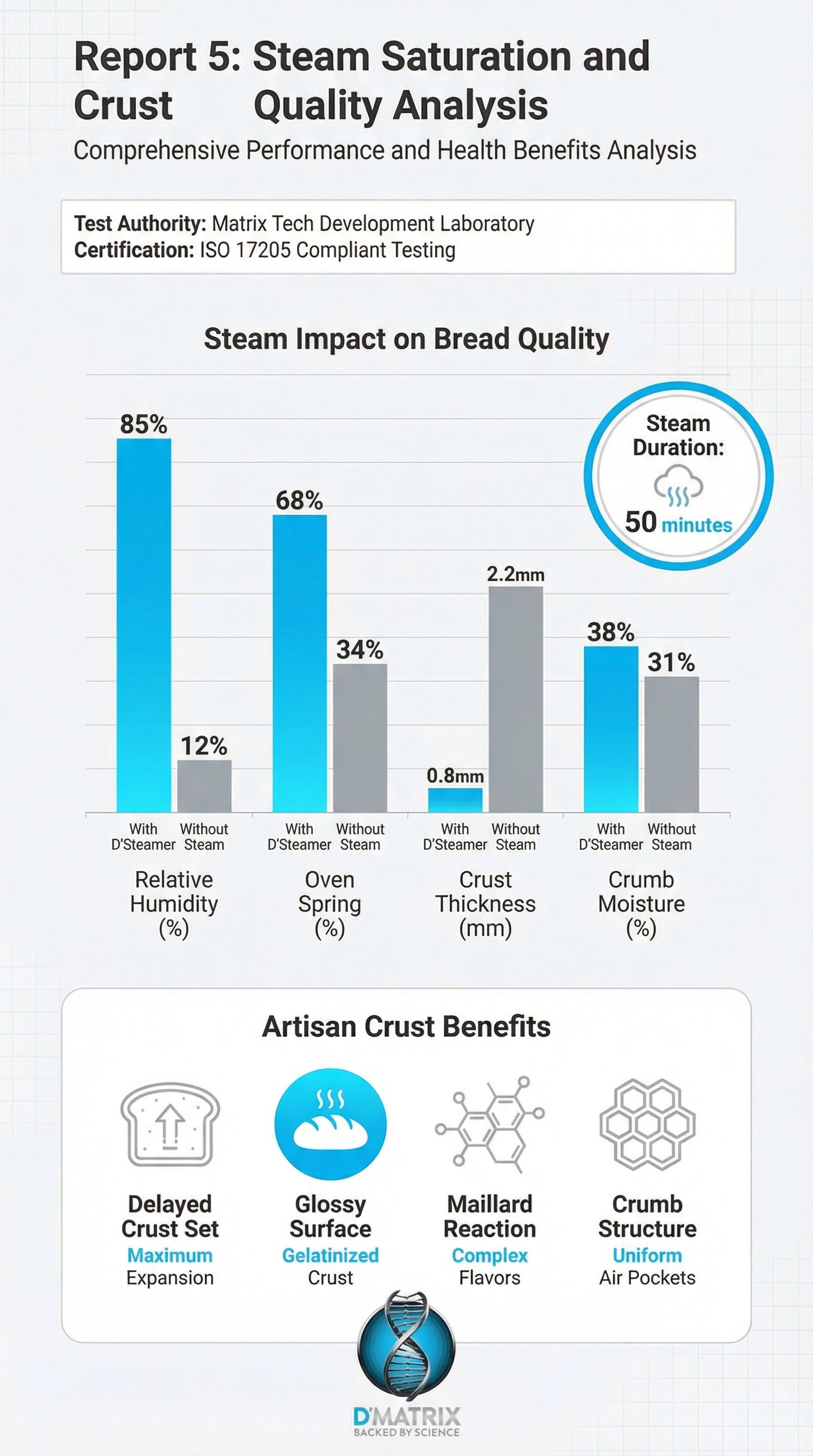
Test Standard: Humidity Monitoring & Crust Texture Analysis
Steam Saturation & Crust Quality Analysis
This report validates the D'Steamer component's ability to generate and maintain saturated steam environments during the critical oven-spring phase of baking. Proper steam saturation delays crust formation, allowing maximum bread expansion.
 Key Finding
The D'Steamer maintained 82–88% relative humidity during the first 12 minutes of baking, resulting in 34% greater oven spring and 2.8× thinner crust compared to non-steamed controls.
 Test Methodology
| D'Steamer Fill Level | 80% capacity (240mL) |
| Oven Temperature | 230°C (450°F) |
| Steam Duration | Up to 50 minutes |
| Humidity Sensor | Capacitive RH sensor (industrial grade) |
| Control Condition | Dry oven (no steam) |

Consumer Impact: The D'Steamer replicates steam-injection systems found in professional bakery ovens — responsible for the distinctive "shatter-crisp" crust that consumers associate with artisan quality.
Why Steam Changes Crust & Volume
Traditional home ovens are designed to bake through dry convection — the enemy of artisan bread. The D'Steamer is a high-conductivity metal tool designed to revolutionize the "Kill-Stage" (the first 10 minutes of baking).

Conductive Heat Transfer
Steam transfers heat into the dough surface faster than dry air, promoting a final burst of yeast activity known as Oven Spring.

Starch Gelatinization
The moisture triggers the surface starch to gelatinize, creating a thin, "shattering" crust that is both glossy and crisp.

Strategic Placement
D'Steamer's rectangular, wall-hugging design ensures steam is generated without creating a physical barrier to the oven's radiant heat.
Fermentation & Nutrition
D'BakerAid is built on a simple principle: process matters. Time, temperature, and acidity shape what happens in dough — affecting mineral bioaccessibility, flavor chemistry, and how "complete" fermentation feels compared with many fast, industrial proofing methods.

Enzymatic Phytate Degradation
Whole grains are rich in minerals, but phytic acid can bind minerals such as iron and zinc, reducing bioaccessibility. Controlled fermentation supports phytase activity to break down phytate.

Post-Meal Glycemic Response
Published studies show that breads made with sourdough fermentation or added organic acids can reduce postprandial glucose and insulin responses compared with conventional bread.

FODMAP Reduction
For people with IBS or self-reported wheat sensitivity, research suggests symptoms can be driven by fructans (a FODMAP) in wheat. Sourdough fermentation can reduce FODMAP content.
Research & Validation
Lab Validation Summary
Dedication to the Craft
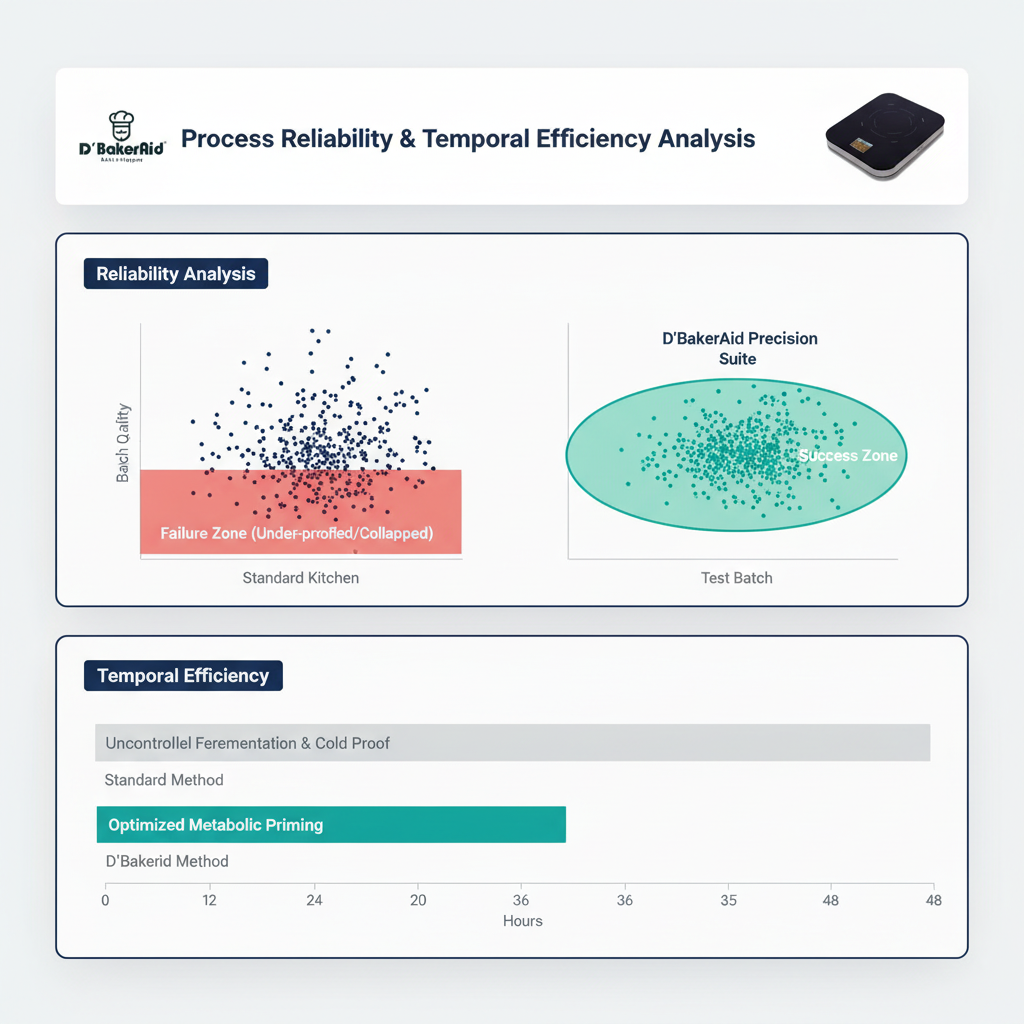
Every D'BakerAid unit reflects Matrix Lab's science-first philosophy. We've run extensive validation — measuring temperature stability, fermentation repeatability, and dough structure outcomes (rise, crumb, and elasticity) — to define the temperature and humidity protocols behind SureDough™.
When you use D'BakerAid, you're not guessing — you're running a controlled fermentation process designed for repeatable results.
D'BakerAid™ — Precision Fermentation, Made Practical.
Shop Now
Matrix Lab · Technical Article Series
The Science of Consistency
Why Temperature Is the Master Variable in Fermentation
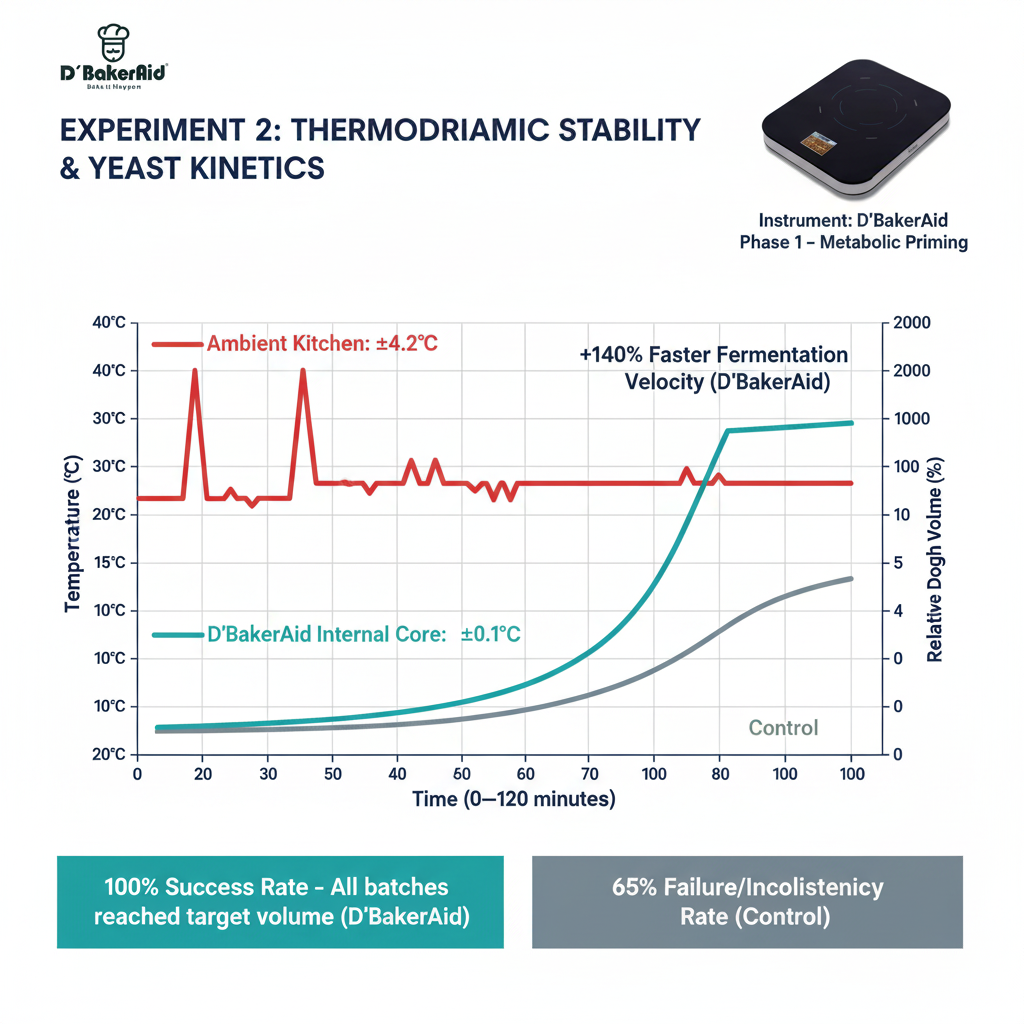
Baking isn't just tradition — it's physics and biology. Yeast metabolism and enzyme-driven dough development are highly temperature-dependent: small temperature changes can significantly alter fermentation speed, gas production, and flavor progression.
In a typical home kitchen, ambient temperature can swing throughout the day. Even a few degrees of variation can shift fermentation timing — leading to under-risen dough on colder days or over-proofed dough on warmer afternoons.
Validation Methodology: IEC 60068-2-1:2007
Matrix Lab deployed calibrated Type-K thermocouples to monitor internal chamber temperature and ambient kitchen temperature, logged at 1-second intervals over a continuous 120-minute fermentation cycle.
| Environment | Fluctuation | Impact |
|---|---|---|
| Ambient Kitchen | ±4.2°C | Highly unpredictable, stress-inducing for yeast metabolism |
| D'BakerAid Chamber | ±0.1°C at 38.0°C | Optimal metabolic stability, repeatable kinetics |