

You've probably had this happen. You buy a loaf that looks healthy, slice it at home, and the texture is so dense that it feels more like a compromise than bread. That's the usual trap with whole grain bread recipes, they can be hearty, flavorful, and still soft if you choose the right formula and handle the dough with enough care. The seven loaves below are the ones worth keeping in rotation, whether you want a dependable sandwich bread, a seeded rustic loaf, or a sourdough that rewards patience. And if you're already thinking about the next step after mastering whole grains, that next step is precision. High-protein bread only works when fermentation and proofing are controlled well enough to keep a heavy dough from collapsing into a brick.
Table of Contents
- 1. King Arthur Baking – Classic 100% Whole Wheat Bread
- 2. King Arthur Baking – No-Knead 100% Whole Wheat Bread
- 3. The Perfect Loaf – 100% Whole Wheat Sourdough
- 4. Breadtopia – Whole Grain Sourdough Rustic Country Loaf
- 5. Bob's Red Mill – Whole Wheat Bread
- 6. Sally's Baking Addiction – Whole Wheat Bread
- 7. Artisan Bread in Five Minutes a Day – Whole-Grain Master Method
- 7-Recipe Whole Grain Bread Comparison
- Your Next Bake High-Protein, No-Guilt Bread
1. King Arthur Baking – Classic 100% Whole Wheat Bread
This is the loaf I'd hand to a baker who wants daily sandwich bread without a lot of drama. King Arthur's Classic 100% Whole Wheat Bread recipe is built for a fine, moist crumb, and it gives you the kind of clear temperature cue that keeps you from guessing. That matters with whole wheat, because underbaking is one of the fastest ways to end up with a heavy middle.
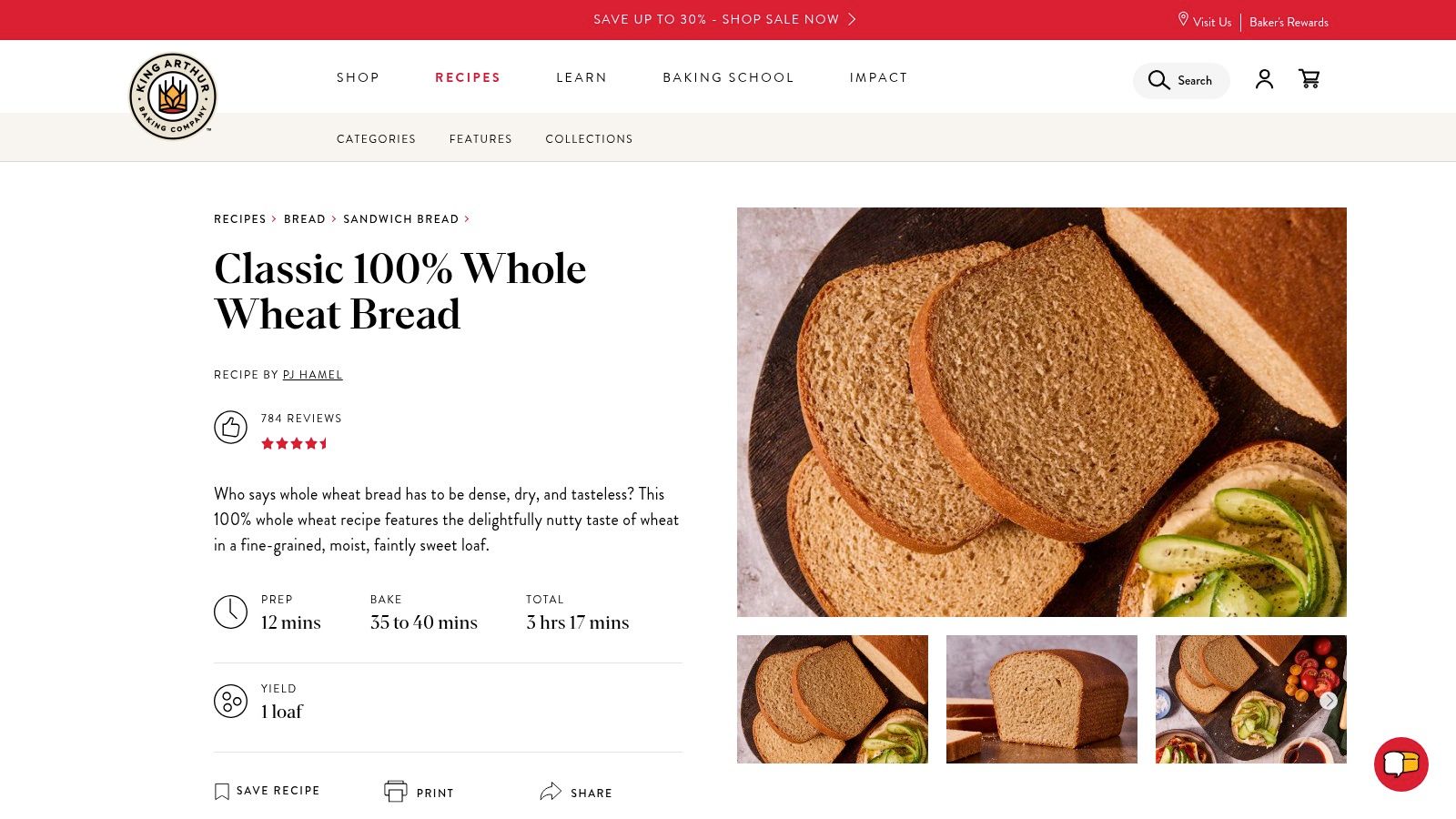
The formula is approachable, but it still behaves like a real whole-grain dough. You'll get better results if you respect the rise instead of rushing it, and if you want a softer loaf, this style of recipe is a better starting point than a lean rustic dough. The trade-off is a slight sweetness from the enrichers, which can be a plus for toast and sandwiches but won't satisfy someone looking for a very wheaty, almost sour profile.
Why it earns a permanent spot
The useful part here is repeatability. The recipe is written with enough detail that you can run it in a stand mixer, by hand, or through a bread-machine dough cycle, and still land in the same neighborhood each time. That consistency is what makes it one of the better whole grain bread recipes for beginners who want a loaf they can reproduce.
A small practical note from the process, bake whole wheat only after the loaf has really set. A clean slice depends more on full cooling than on optimism.
Practical rule: If a whole wheat pan loaf feels right in the pan but still cuts gummy, it usually needed more time on the rack, not more time in your mouth.
If you want a soft, familiar loaf that behaves like sandwich bread, this is the first recipe to try. It's also a strong reference point before you move into more technical bakes like high-protein loaves, where dough strength and fermentation become even more unforgiving.
2. King Arthur Baking – No-Knead 100% Whole Wheat Bread
If you want the least fussy entry point, this is it. King Arthur's No-Knead 100% Whole Wheat Bread recipe cuts out hand kneading and still gives you a workable pan loaf. That makes it a good fit for a busy weeknight baker who wants fresh bread without turning the kitchen into a project.
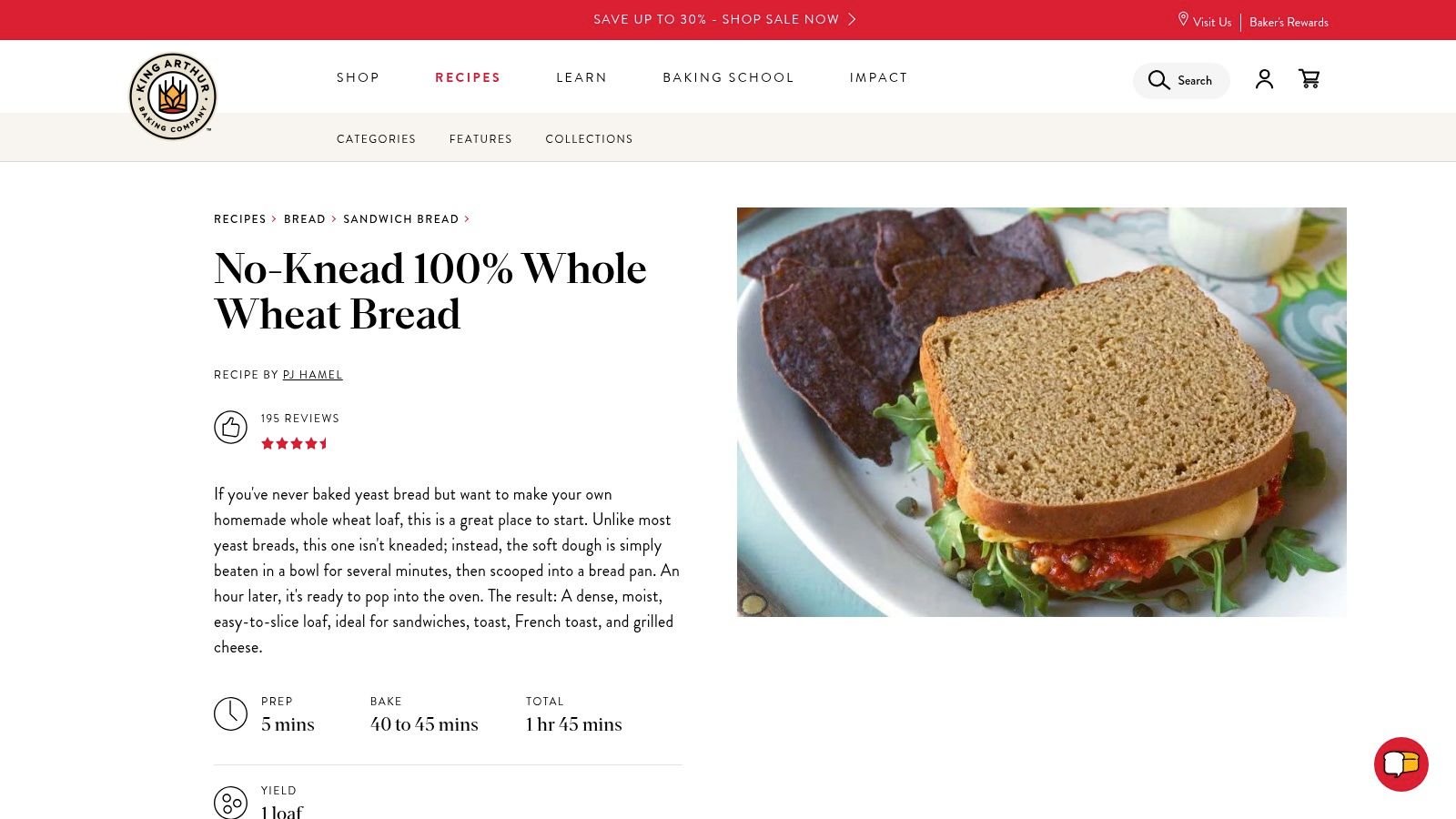
The orange-juice option is a smart touch because whole wheat can read as tannic or sharp if the grain flavor is too loud. This version also keeps the process simple enough that first-time yeast bakers can follow it without feeling like they're juggling too many variables. The compromise is structure. No-knead dough is forgiving, but it won't have the same lift or elasticity as a loaf that's been kneaded and developed more aggressively.
Where no-knead works, and where it doesn't
The advantage is obvious. Less hands-on time, fewer opportunities to overwork the dough, and a process that feels manageable on a weekday. The downside is equally clear. If you want an open crumb or an artisan look, this isn't the lane. It's a sandwich loaf, and it behaves like one.
The smartest way to use it is as a baseline for texture. If your family likes a hearty, everyday whole wheat bread that you can mix, rest, and bake with minimal effort, this recipe gets there with a lot less attention than a sourdough formula.
A loaf like this also teaches the right lesson about whole grain bread recipes, which is that softness isn't magic. It usually comes from hydration, time, and not treating the dough like white bread.
3. The Perfect Loaf – 100% Whole Wheat Sourdough
This is the recipe for bakers who want to slow down and work with the grain instead of fighting it. Maurizio Leo's 100% Whole Wheat Sourdough is an artisan formula, and it reads that way on the page. The detail is the point. You get a controlled fermentation schedule, strength-building steps, and process notes that make a serious sourdough bake feel clear instead of mysterious.
If you are building starter habits, pair that work with a guided toolset. D'BakerAid's whole-wheat sourdough starter guidance fits naturally here because whole grain sourdough gets easier when fermentation is more predictable.
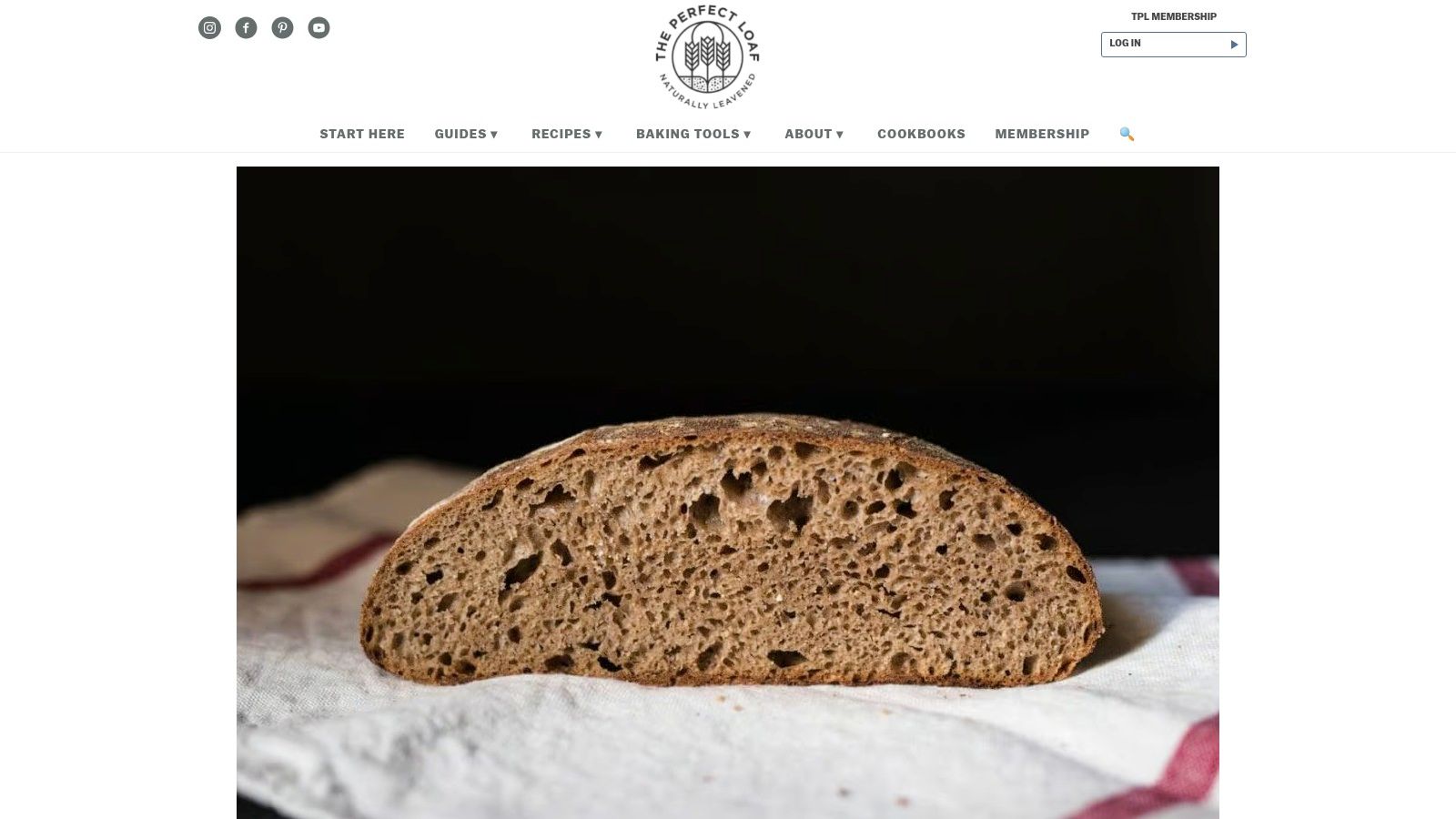
The upside is flavor. Whole wheat sourdough gives you depth that yeasted pan loaves can't match, and the method rewards careful handling with a loaf that feels intentional from crust to crumb. The downside is the timeline. This is not a recipe you rush before lunch. It asks for timing, temperature awareness, and an active starter that is doing its job.
What makes this loaf worth the effort
The strength here is process clarity. When a sourdough loaf goes wrong, most bakers do not need more adjectives, they need a diagnosis. Detailed schedules matter because they help you see whether the dough was underdeveloped, overproofed, or too cold to move on time.
Sour dough is a process, not a mood. If the dough tells you it isn't ready, the clock doesn't get a vote.
Understanding crumb structure is part of that diagnosis, and this guide explains how to achieve an open, even crumb. That matters especially with whole grain doughs, where the balance between strength and hydration changes how the loaf sets up in the oven.
This is one of the best whole grain bread recipes for anyone who wants to understand why whole wheat can be soft and open instead of dense. It also sets up the next step in the bake path, because once you can control a whole wheat sourdough, you are ready to handle higher-protein loaves with more precision.
4. Breadtopia – Whole Grain Sourdough Rustic Country Loaf
Breadtopia's Whole Grain Sourdough Rustic Country Loaf is the kind of recipe I'd give a baker who wants grain character and is comfortable doing real shaping work. It is built for a full whole-grain loaf, and the flour notes make it more useful than many rustic sourdough pages that stop at a short mix-and-wait method.
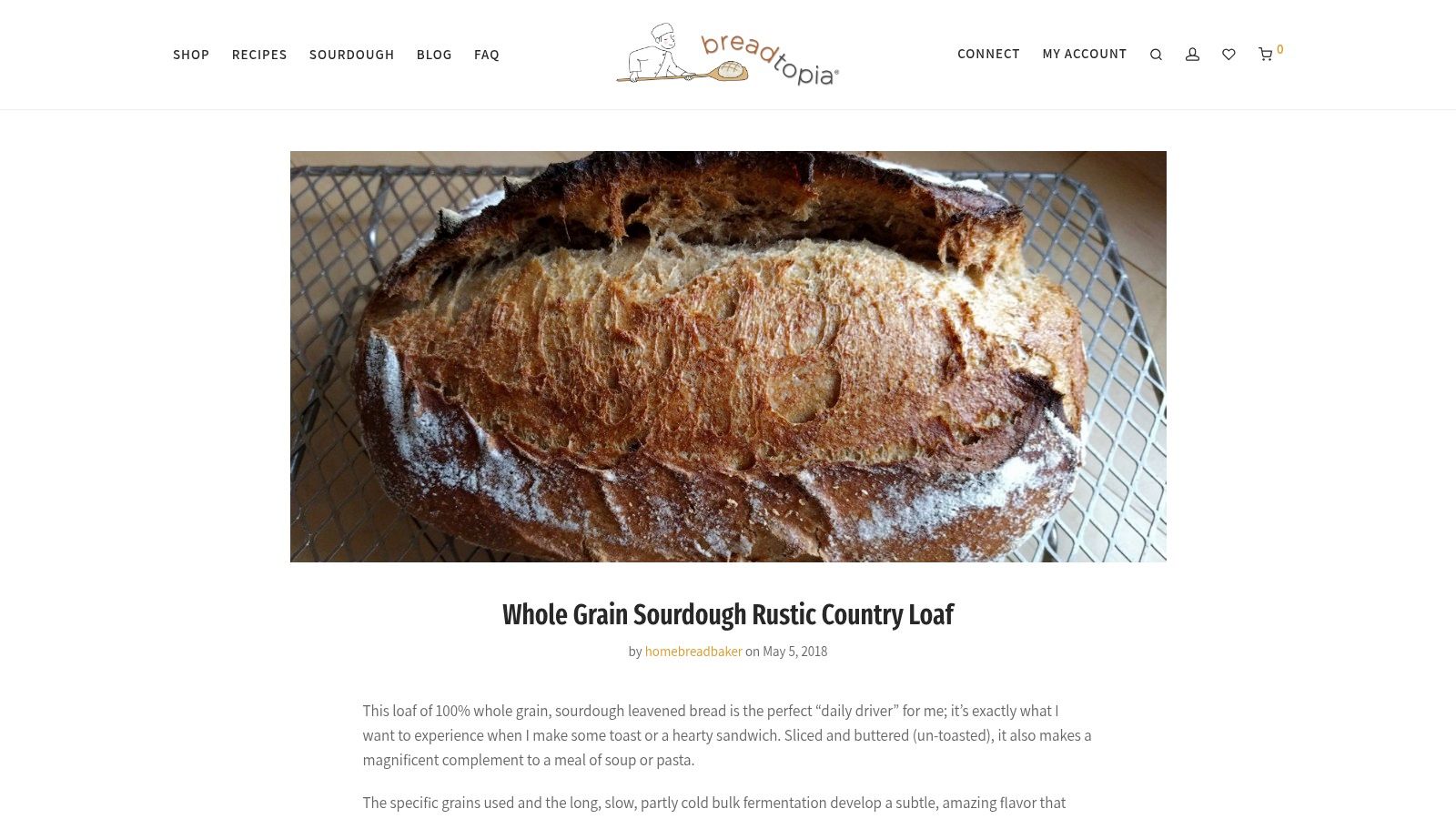
What stands out is how adaptable it is. If you mill at home, you can use red fife or hard white wheat and stay within the recipe's logic. If you buy flour, you can still follow the framework and get a solid everyday loaf. The trade-off is that whole grain performance varies more than white-flour performance, so flour brand and extraction matter more here than they do in a softer enriched loaf. Choosing the right flour matters, and understanding flour protein content helps you adjust hydration for better results.
Best use case for this style
This bread is strongest when toasted. The crumb is sturdy enough for real toppings, and the flavor is earthy without becoming dull. It is also the kind of formula that teaches shaping discipline, because the dough responds well to tension and a clean final form.
Practical rule: The more whole grain you put in the dough, the less you should expect it to behave like a white-flour boule.
The most common mistake with this style is treating it like a casual toss-together loaf. Whole grain sourdough needs hydration awareness and a calm hand during shaping. If you keep your process steady, you get a loaf with character, not just volume.
For bakers moving from standard whole wheat into more technical bread work, this recipe is a strong stepping stone. It shows how to keep a whole grain loaf lively without relying on a lot of enrichers, and that lesson carries over directly into specialty formulas later on.
5. Bob's Red Mill – Whole Wheat Bread
Bob's Red Mill keeps it simple with a basic whole wheat bread recipe that behaves like a pantry loaf should. The ingredient list is lean, the method is clear, and the result is a good baseline for bakers who want whole wheat flavor without extra moving parts.
The optional vital wheat gluten is the detail to watch. That's what gives the loaf a little more structure if your whole wheat flour tends to bake up stubborn or tight. Without enrichers, the crumb leans heartier and chewier, which isn't a flaw if you want bread that can stand up to soup or a thick spread of nut butter.
When a lean loaf is the right call
This recipe is good for people who don't want sweetness or a soft, enriched sandwich profile. It gives you a cleaner wheat flavor and a more straightforward baking experience. It's also the kind of loaf that tells the truth about your technique, because there isn't much added fat or sugar to hide a weak rise.
If you're troubleshooting whole grain baking, that honesty is useful. A simple recipe makes it easier to see whether your dough is under-proofed, too dry, or just not developed enough. That's why lean loaves are still valuable even when softer bread gets more attention.
The best part is that it gives you a usable everyday bread without turning the ingredient list into a shopping project. For bakers who like practical formulas and don't want a lot of filler, this one stays relevant.
6. Sally's Baking Addiction – Whole Wheat Bread
Sally's Whole Wheat Bread is the softest-feeling recipe in this group, and that's the reason it shows up so often in family kitchens. It uses a sponge step, gives you step-by-step visuals, and leaves room to go all the way to 100% whole wheat or split the flour with bread flour if you want more loft.
That flexibility matters. Some bakers want the full whole wheat flavor, others want a loaf that behaves more like a classic sandwich bread. This recipe can live in both worlds. The trade-off is time, since the sponge and multiple rises stretch the process, and the honey level may need a small adjustment if you prefer a less sweet loaf.
Why soft whole wheat usually takes more planning
A tender crumb doesn't happen by accident. The sponge gives the flour more time to hydrate, which helps the finished loaf feel softer and less dry. That's especially useful in whole wheat baking, where the bran can make a loaf seem tighter than it should if the process is rushed.
A soft whole wheat loaf usually looks patient in the bowl before it looks right on the board.
This recipe is especially useful for home bakers who want a family loaf that disappears fast at breakfast and lunch. It's forgiving enough for newer bakers, but detailed enough to reward someone who pays attention to the dough rather than the timer alone.
It also fits the bigger picture of whole grain bread recipes well because it shows the middle ground. You don't have to choose between austere and airy. There's a lot of room between them, and this loaf lives right there.
7. Artisan Bread in Five Minutes a Day – Whole-Grain Master Method
The whole-grain master method from the Healthy Bread in Five framework is for bakers who want convenience without giving up structure. It uses vital wheat gluten to strengthen the dough, and that choice makes sense when you want a mixed batch of dough that can turn into pan loaves, boules, rolls, or flatbreads.
The method is less about one perfect loaf and more about a system. Mix once, refrigerate, bake when needed. That makes it attractive for people who want fresh bread on demand and don't want to repeat a full from-scratch process every time. The downside is that flavor and texture depend heavily on hydration and how well you handle cold dough, so it rewards attention even though it feels casual.
The value of a dough system
The big win here is flexibility. One batch can feed several meals across the week, and the structure support from vital wheat gluten helps whole grain dough behave more predictably. That's useful if you bake often and want to stop starting over each time.
This is also a nice example of how technique can change the feel of whole grain baking. Once you understand dough strength, you can move between rustic loaves and more refined shapes with far more confidence.
For anyone who likes batch baking or wants an efficient home bread routine, this is one of the smartest whole grain bread recipes to keep in the rotation. It doesn't ask for perfection. It asks for a good method and enough discipline to let the dough rest.
7-Recipe Whole Grain Bread Comparison
| Recipe / Style | Implementation Complexity 🔄 | Resource Requirements ⚡ | Expected Outcomes ⭐ | Ideal Use Cases 📊 | Key Advantages 💡 |
|---|---|---|---|---|---|
| King Arthur Baking – Classic 100% Whole Wheat Bread | 🔄 Moderate, knead or machine; clear timed steps | ⚡ Standard pantry + dry milk & sweetener (optional); yeast options | ⭐⭐⭐⭐, soft, sliceable crumb; reliable rise; 190°F doneness cue | 📊 Daily sandwich bread, beginners to intermediate, bread-machine users | 💡 Extremely consistent recipe with clear weights/temps; reducible sweetness |
| King Arthur Baking – No-Knead 100% Whole Wheat Bread | 🔄 Low, mix-and-bake, no hand kneading | ⚡ Minimal ingredients; pan required; optional orange juice tweak | ⭐⭐⭐, forgiving, denser crumb than kneaded loaves | 📊 Busy cooks, first-time yeast bakers, minimal hands-on time | 💡 Very forgiving method; easy flavor tweak (orange juice) |
| The Perfect Loaf – 100% Whole Wheat Sourdough | 🔄 High, autolyse, strength-building, detailed schedules | ⚡ Active starter, precise temp control, Dutch oven recommended | ⭐⭐⭐⭐⭐, deep flavor, balanced acidity, artisan crumb | 📊 Serious home/pro bakers focused on flavor and technique | 💡 Exceptional instruction and baker's percentages for process control |
| Breadtopia – Whole Grain Sourdough Rustic Country Loaf | 🔄 High, longer timeline with hands-on shaping | ⚡ Starter, milling equipment optional, Dutch oven/oven skills | ⭐⭐⭐⭐, earthy, complex flavor; excellent for toasting | 📊 Home-milled flour users and experienced sourdough bakers | 💡 Practical milling notes and adaptable to different whole-wheat flours |
| Bob's Red Mill – Whole Wheat Bread (Basic 5-Ingredient Loaf) | 🔄 Low, conventional two-rise, straightforward steps | ⚡ Pantry staples; optional vital wheat gluten; internal temp cue (205°F) | ⭐⭐⭐, simple, economical; heartier/chewier crumb without enrichers | 📊 Minimalist bakers seeking a pantry-friendly baseline loaf | 💡 Reliable, clear rise/doneness cues; easy to tweak for softness |
| Sally's Baking Addiction – Whole Wheat Bread (8 Ingredients) | 🔄 Moderate, sponge step and multiple rises; visual guidance | ⚡ More ingredients (8), sponge time; freezer/overnight options | ⭐⭐⭐⭐, very soft yet hearty loaf; family-friendly texture | 📊 Beginners wanting extra softness and step-by-step visuals | 💡 Thorough photos and troubleshooting reduce novice errors |
| Artisan Bread in Five Minutes a Day – Whole-Grain Master Method | 🔄 Moderate (learning curve), batch method, low per-bake effort | ⚡ Vital wheat gluten, refrigeration for bulk dough; book/posts for method | ⭐⭐⭐⭐, on-demand fresh bread, versatile shapes from one dough | 📊 Batch bakers, households wanting frequent fresh loaves with minimal daily effort | 💡 Ultra-convenient batching; highly adaptable to shapes and uses |
Your Next Bake High-Protein, No-Guilt Bread
Mastering these classic whole grain bread recipes gives you more than a few good loaves. It gives you control over hydration, fermentation, shaping, and bake timing, which are the same variables that decide whether a higher-protein loaf turns out soft or turns out heavy. That's the leap most home bakers feel when they move from standard whole wheat to homemade protein bread. The dough is denser, the margin for error is smaller, and the reward is real when the loaf slices clean and still fits a high-protein lifestyle.
That's where D'BakerAid starts to matter. Its precision bread-making system is designed to handle the fermentation and proofing stages that make high-protein dough so hard to repeat well at home. The result is a fresh loaf with about 10 to 11 grams of protein per slice, roughly double the best store protein bread and far above plain white bread, while keeping the process controlled enough that you're not babysitting every rise.
The appeal is simple. Fitness-minded bakers don't need another dry compromise loaf, they need bread that supports the macro target. D'BakerAid's recipe range gives you whey, pea, soy, and collagen options, and the companion app keeps the process organized from dough to slice. That makes it a natural next step after you've learned how to bake a dependable whole grain pan loaf.
If you're ready to move from good bread to bread that works harder for your routine, see the high-protein recipes on the D'BakerAid app and compare the options for yourself. Then shop the system when you're ready to make fresh, high-protein bread part of your week.
D'BakerAid gives home bakers a controlled way to handle the hard parts of bread, fermentation, proofing, and repeatability, so the loaf you want is much easier to get again and again. If you're serious about high protein bread and want a tool that fits the way real dough behaves, visit DBakerAid™ and see how the recipes and system work together.